
To consistently produce safe meals, we first needed to understand our main enemies.
Here they are: Salmonella – the most common cause of fatal outbreaks; Campylobacter – widespread in raw foods; Listeria monocytogenes – the deadliest; Clostridium botulinum – producing one of the most potent natural toxins (fortunately rare); along with around thirty other bacteria that naturally live in the environment and in the digestive tracts of animals and humans.
For this reason, our experts regularly follow scientific literature and recommended best practice guidelines to ensure that our technology and procedures eliminate all realistic risks.
Pathogenic bacteria can be present on raw ingredients, in the air (dust), on human hands, and on pests (rodents, birds, insects). They may not always be present, but we act as if they are. They thrive in moisture, food, and warmth, with most growing in the 10–55°C range. They act in two ways: They act in two ways:
- While multiplying on food, they release toxins that are slow and difficult to destroy with heat.
- They reproduce in such numbers that, when ingested, the body’s defenses cannot manage them, allowing them to continue multiplying and releasing toxins in the digestive tract.
Some bacteria can even grow, though slowly, at temperatures as low as 0°C.
Most die at temperatures above 75°C, but some can survive up to 121°C.
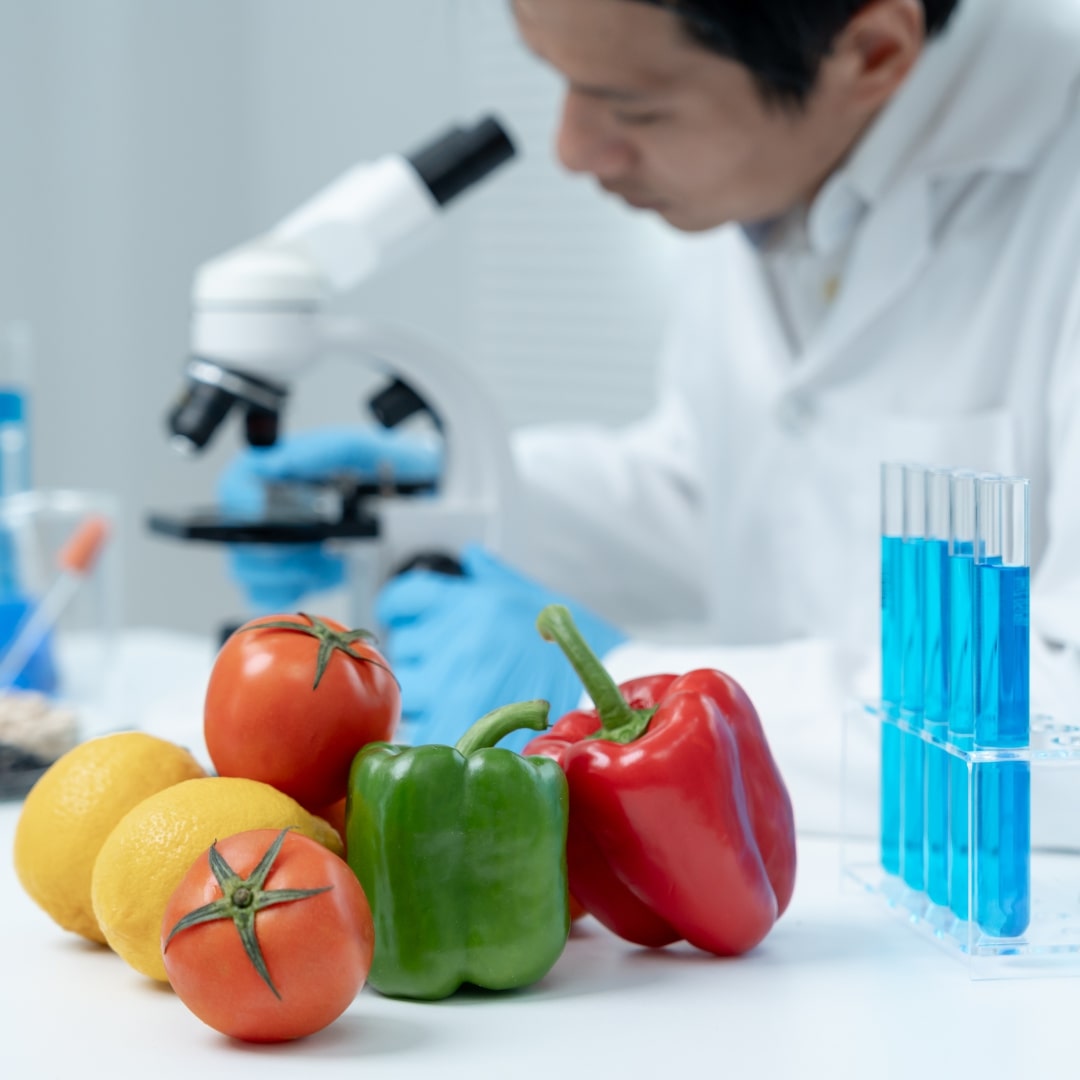
For raw ingredients used in salads that are not cooked, we clean and wash them meticulously. For other foods, our main tool is thermal processing (cooking, baking, pasteurization), which destroys all vegetative forms of pathogenic bacteria. Some bacteria, however, can form spores that survive and begin multiplying again if food cools below 57°C, producing toxins. To prevent this, we either consume dishes within 4 hours of cooling below 57°C or rapidly chill them below 10°C, which halts or significantly slows bacterial growth.
Below 10°C, only a few bacterial species can grow, and below 4°C, only three significant species remain, all of which are destroyed or inactivated during pasteurization.
Scientific research has established that:
- within 4 hours at 10–57°C, there is no unacceptable growth of spore-forming pathogenic bacteria that survived thermal processing and could endanger healthy individuals. That’s why we deliver meals ready to eat and advise customers to consume them immediately,
- up to 7 days at temperatures up to 4°C (meals cooled below 10°C within 2 hours) show no significant growth of pathogenic bacteria that could threaten healthy individuals. Hence, chilled meals are stored immediately after preparation under controlled thermal conditions,
- at temperatures below 4°C, spore-forming bacteria surviving thermal processing and pasteurization do not grow. That’s why pasteurized meals are packaged before pasteurization, cooled immediately, and stored under controlled thermal conditions.
We also advise our customers to either place meals purchased from the cold chain directly into their refrigerators or consume them immediately after purchase to prevent unwanted warming and bacterial growth.